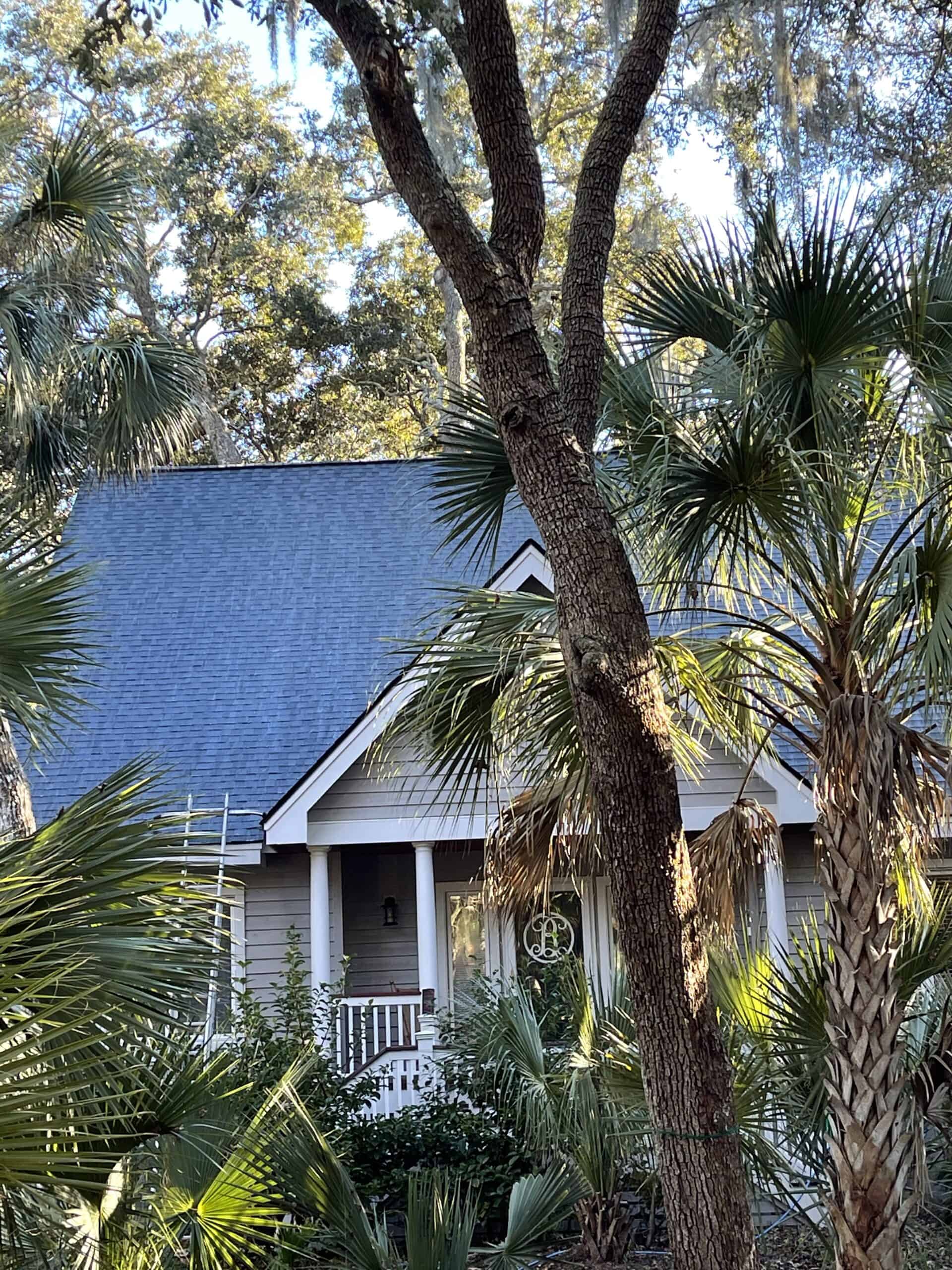
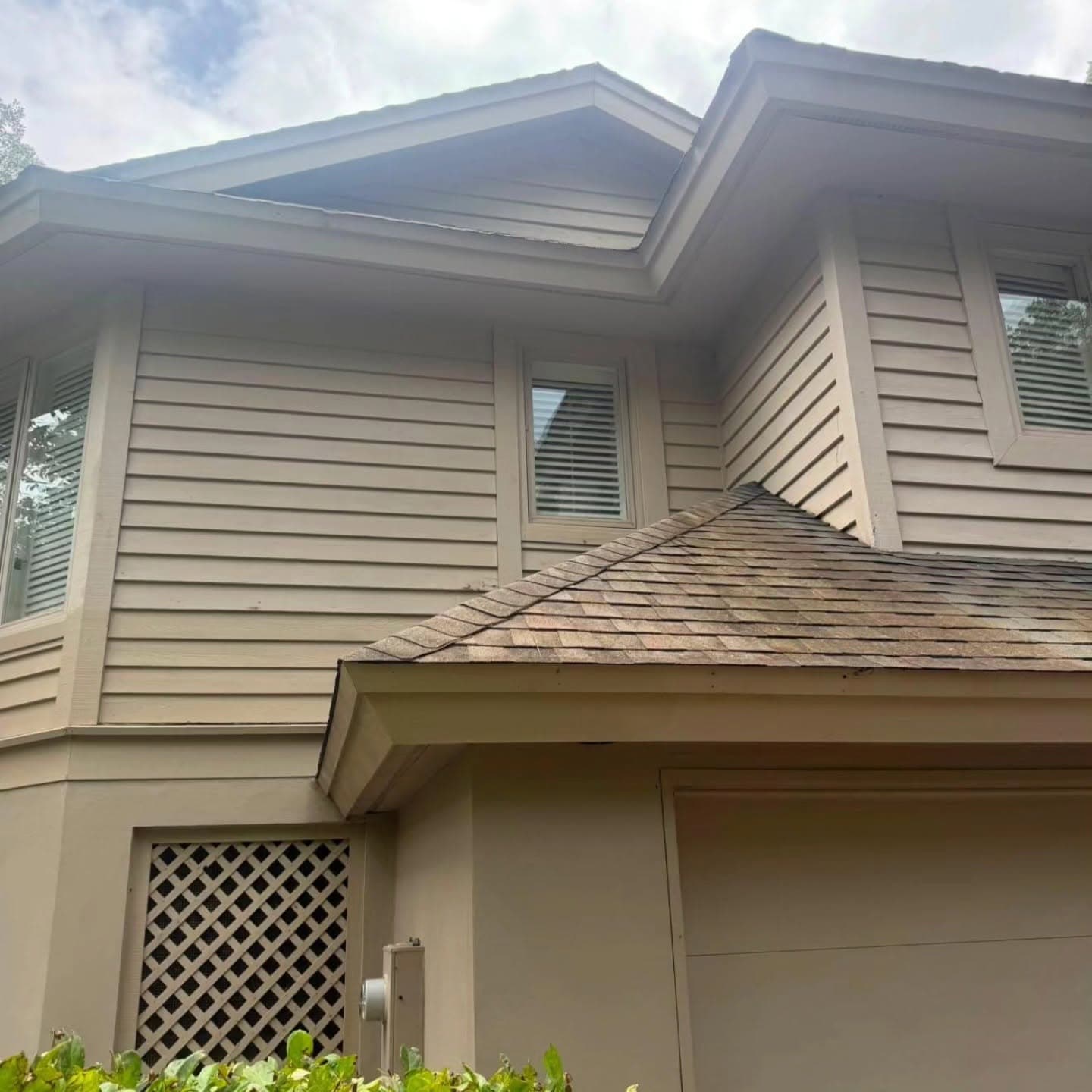
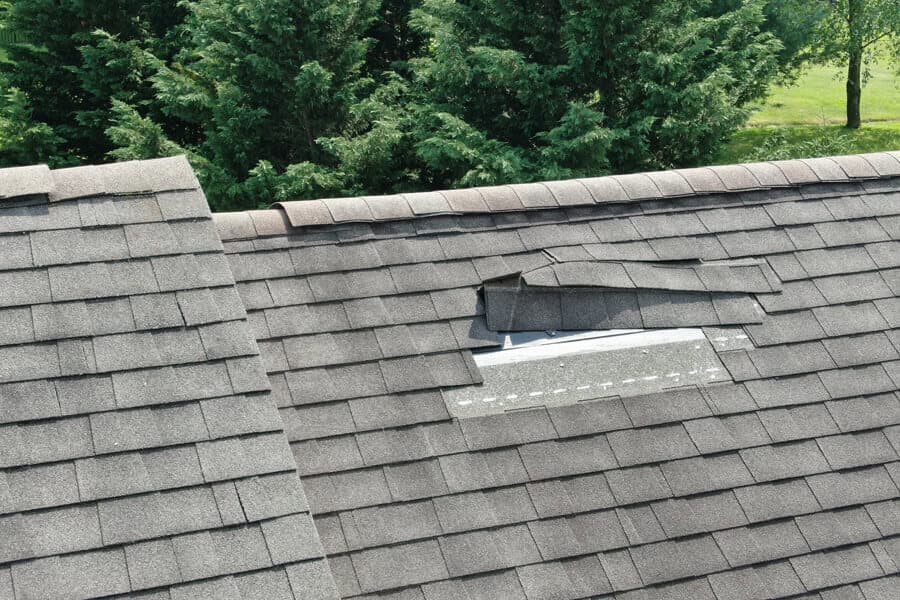
If you've been staring at ugly black streaks on your roof and wondering whether they'll come off, the answer is yes, but only if the cleaning is done correctly. Roof streaks are caused by gloeocapsa magma, a bacteria-algae that thrives in warm, humid, shaded environments like almost every neighborhood in the Charleston area. From the tree canopies of Wagener Terrace to the maritime forest around Kiawah and Seabrook, our climate gives this organism everything it needs to colonize asphalt shingles and slowly eat through them.
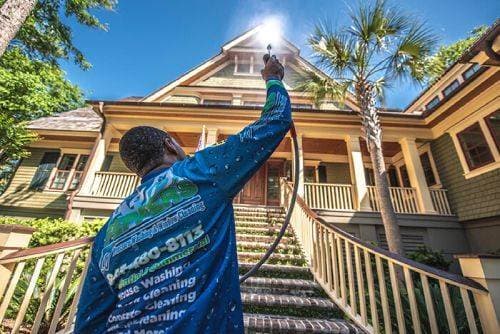
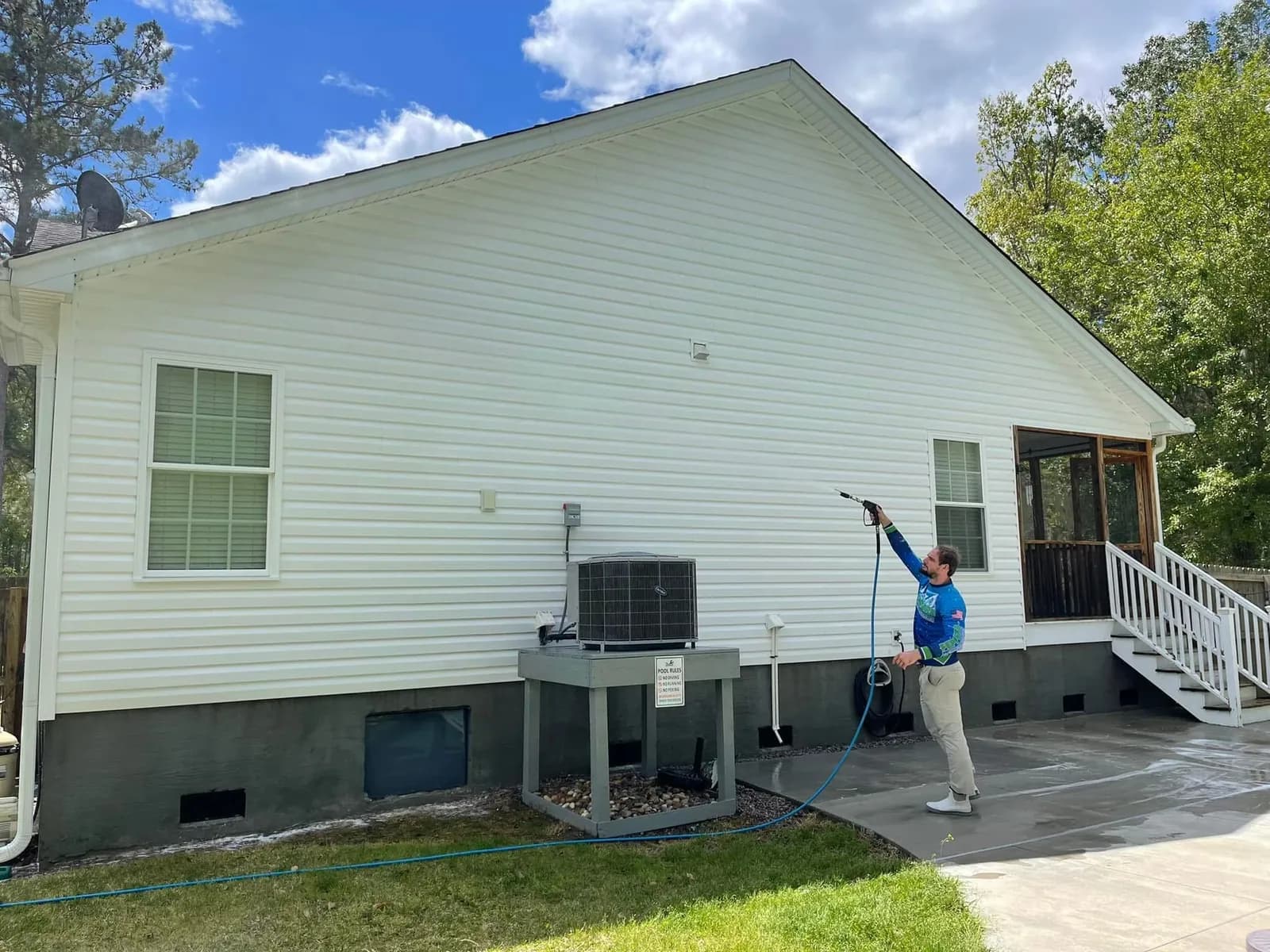
Soft washing is fundamentally different from traditional pressure washing or power washing. Rather than relying on high-pressure force to blast algae off the surface, we apply a low-pressure biocide-based solution that kills the organism at its root. If you have been searching for 'power washing near me' to deal with roof streaks, a soft wash is actually the service you need. Standard pressure washing or power washing would strip the protective granules right off your shingles.
Why Is Pressure Washing a Roof Never the Right Answer?
It still surprises people to hear this, but pressure washing a roof is one of the fastest ways to destroy it. Asphalt shingles are protected by a layer of ceramic granules bonded to the surface. Those granules are what give the shingle its color and its UV resistance. High-pressure water blasts those granules right off, and once they're gone the asphalt below begins to degrade almost immediately. Any reputable shingle manufacturer (GAF, Owens Corning, CertainTeed) will void a warranty if a roof has been pressure washed.
Soft washing is the only correct approach. Endorsed by the Asphalt Roofing Manufacturers Association, soft washing uses a low-pressure application of a cleaning solution (typically a carefully measured sodium hypochlorite blend) that kills the algae at a cellular level. The dead organism is then rinsed away over the next several rainfalls. No mechanical force touches the shingle, so granules stay where they belong. The same low-pressure chemistry-driven approach is what we use for solar panel cleaning and skylight cleaning on roof-mounted glass. High-pressure water voids panel manufacturer warranties, can force water past skylight flashing, and damages shingle granules just the same.
Does Roof Soft Washing Protect Your Shingle Warranty?
Beyond saving your warranty, a proper soft wash extends roof life dramatically. Independent studies and shingle manufacturer data both suggest that algae growth can cut a typical 25-year architectural shingle's lifespan by as much as a decade. Premature roof replacement is one of the most expensive home repairs you can face, and it's entirely avoidable with routine maintenance. Regular soft washing every 3-5 years is a rounding error by comparison.
Landscape protection is the other thing most homeowners ask about. We pre-wet every flower bed, shrub, and foundation planting before we start, so any drift of cleaning solution is immediately diluted. After the wash we rinse the plants down again with fresh water. When done correctly (which is the only way we do it), soft washing is completely safe for azaleas, camellias, boxwood, and everything else that makes Charleston yards beautiful.
When Should You Schedule a Roof Cleaning?
If you can see streaks or moss from the ground, it's time. If you see a line of darkening starting at the edge of a shaded slope, it's time. Most Charleston-area roofs benefit from a soft wash every 3 to 5 years. Homes under heavy tree canopy on the east side of the peninsula or on Johns Island may need it more often. We schedule roof cleanings year-round, though we typically avoid days with high winds and do not wash during active rain.
Call or submit a quote request and we'll take a look at recent aerial imagery of your home, give you a ballpark number over the phone, and come out for an on-site look if anything about the pitch or layout needs a closer review. No pressure, no upsell, just an honest assessment of whether your roof needs cleaning now or whether you can wait another season.
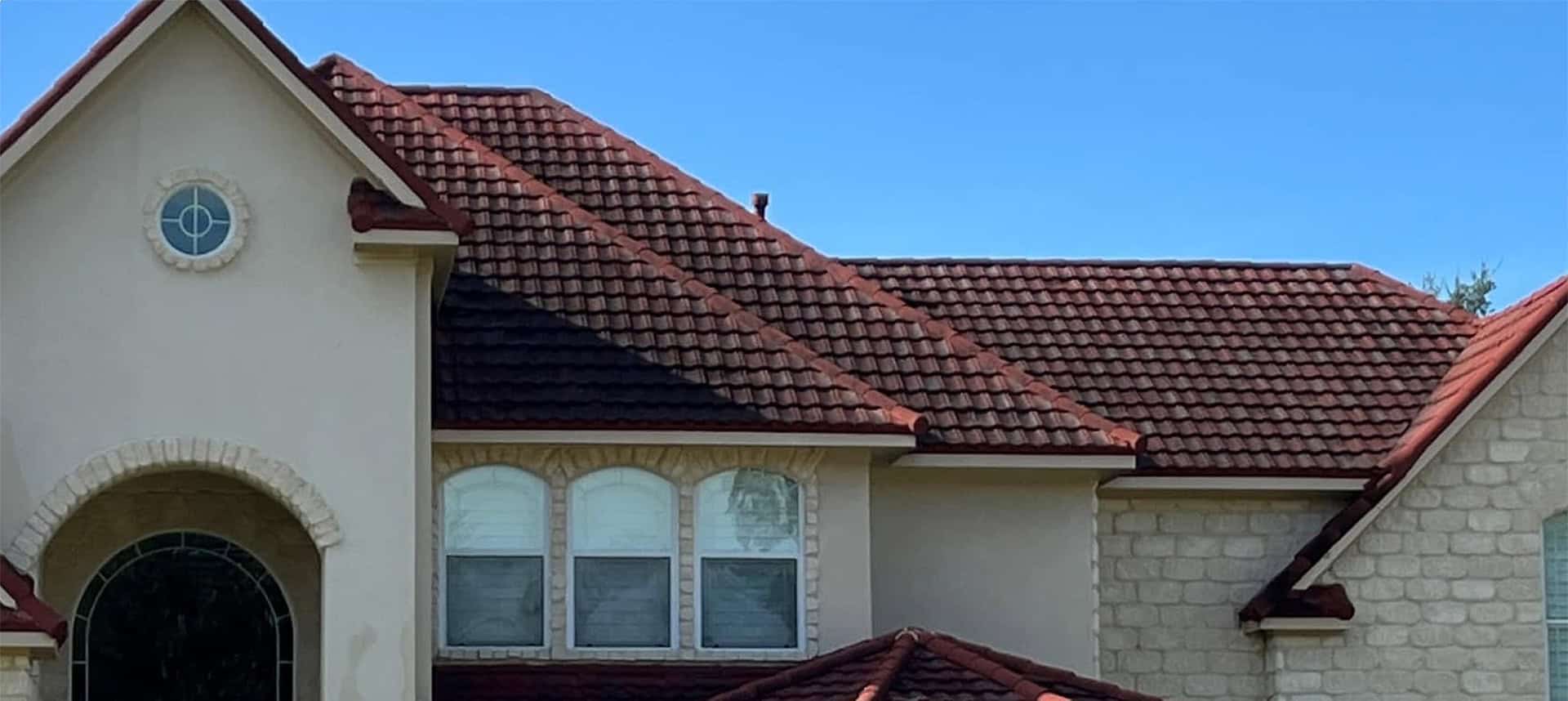
 BeforeAfterDrag to compare