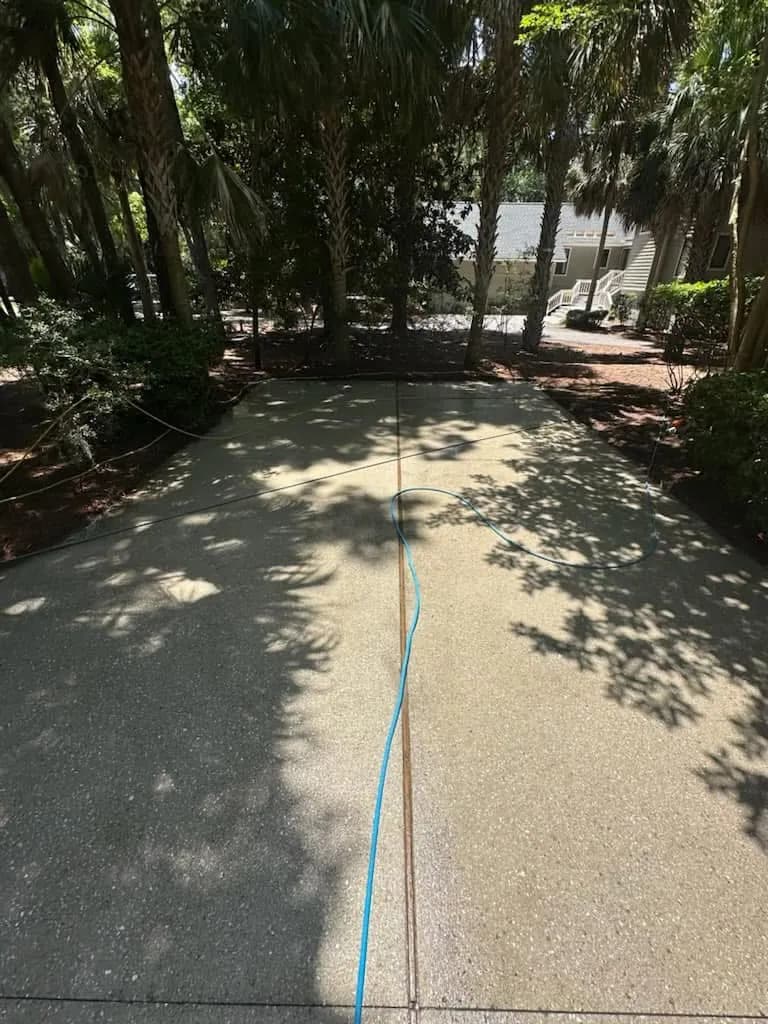
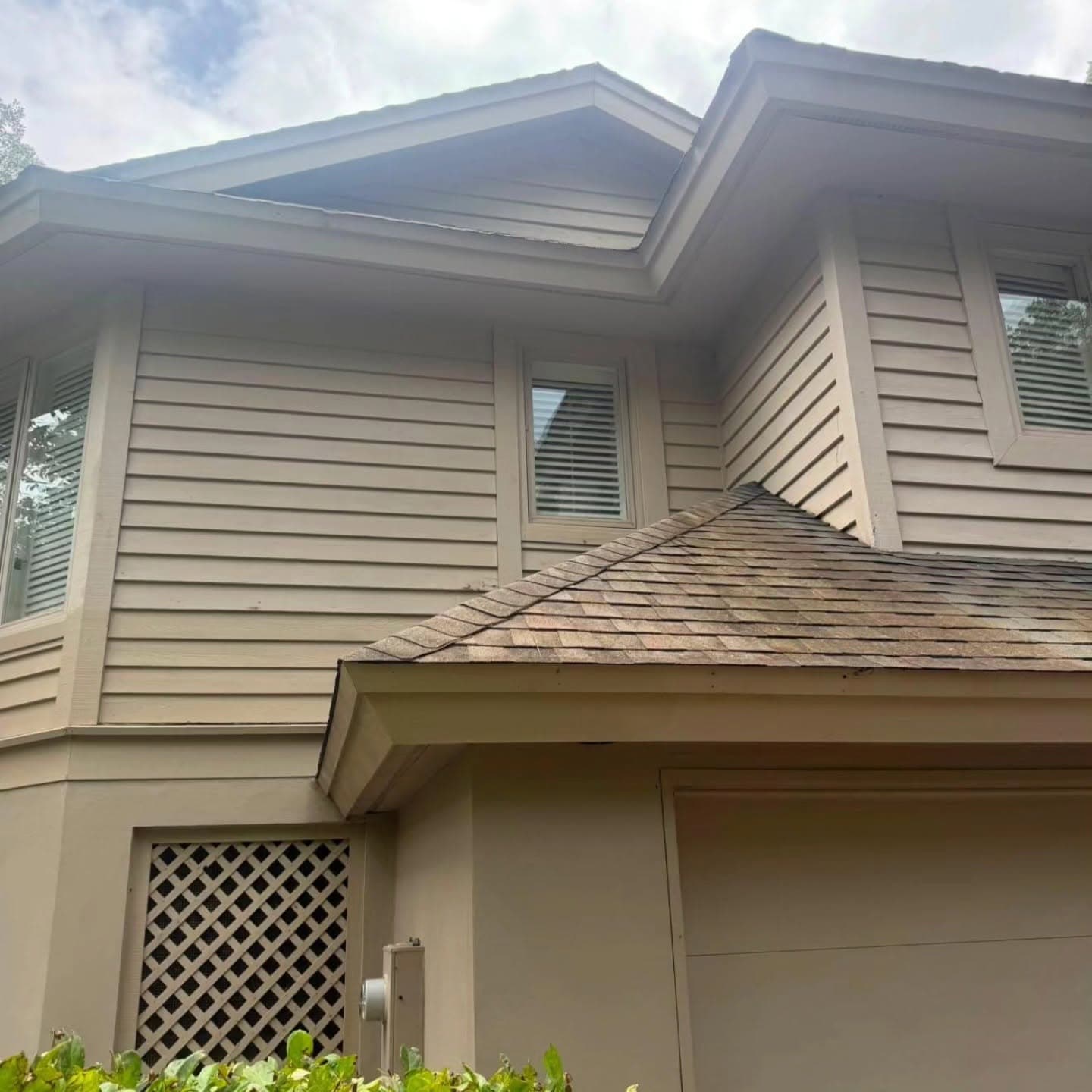
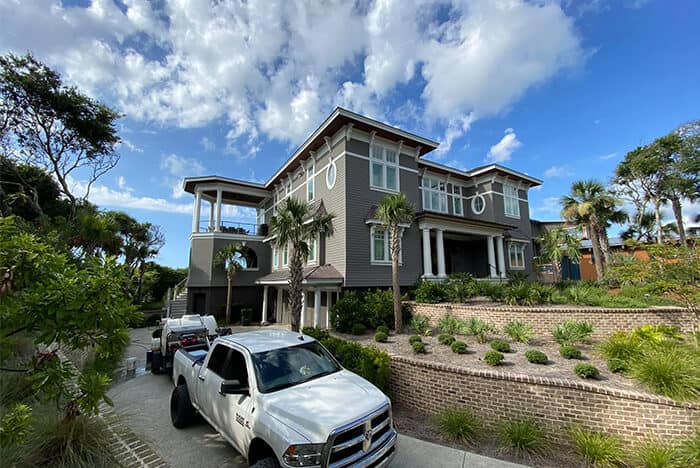
Charleston is one of the most beautiful places in the country to own a home, but the same coastal climate that gives us those warm January afternoons also produces some of the toughest cleaning conditions in the Southeast. Salt-laden air off the harbor, constant humidity, and the shade of live oaks from downtown to Johns Island turn vinyl siding, Hardie plank, and painted brick into a breeding ground for mold and mildew within a single summer.
Most homeowners we meet have already tried one of two options: a rented gas pressure washer from the big-box store, or a handyman with a cheap washer who treats every surface the same. Both approaches tend to end the same way: either the mildew comes right back within weeks, or worse, siding cracks, paint strips, and water gets driven behind seams where it causes rot you won't notice for months.
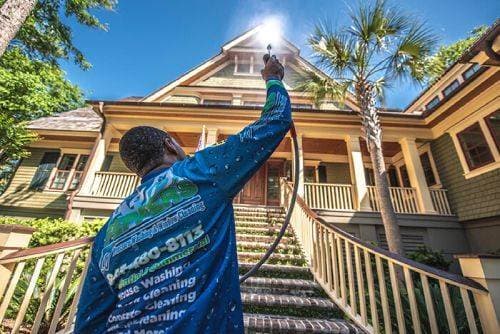
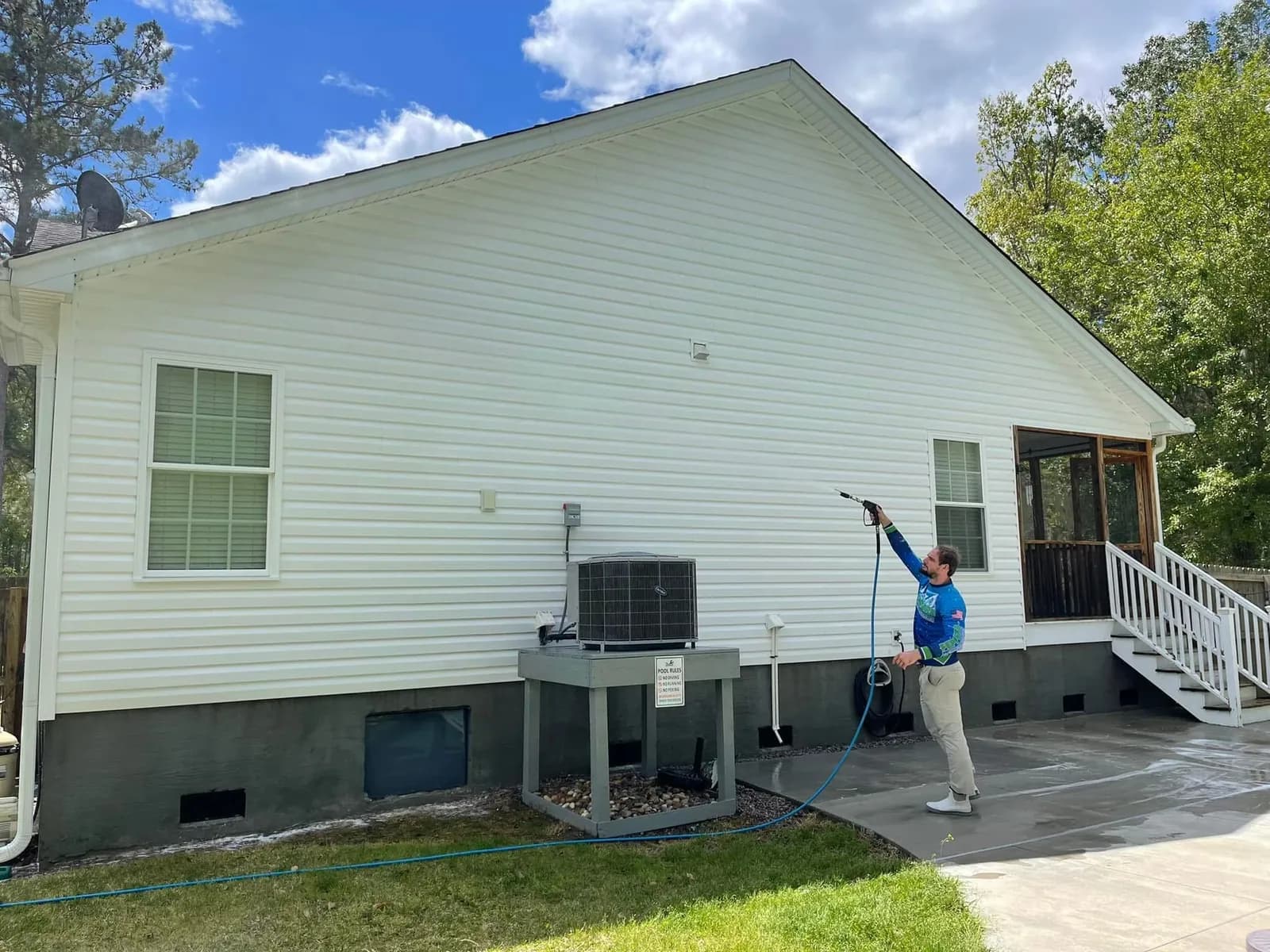
Pressure washing (sometimes called power washing or simply exterior house cleaning) uses pressurized water (and the right chemistry) to break up and rinse away the mold, mildew, and grime that humidity-soaked Charleston exteriors collect. The terms overlap in everyday use, though technically power washing adds heat to the equation; for nearly all residential siding in the Lowcountry, a calibrated soft-wash or pressure-wash approach gets better results without the risk that heat introduces to vinyl, paint, or caulk seams. Whatever you call it, the goal is the same: a clean exterior that lasts.
Soft Wash or Pressure Wash: Which Does Your House Need?
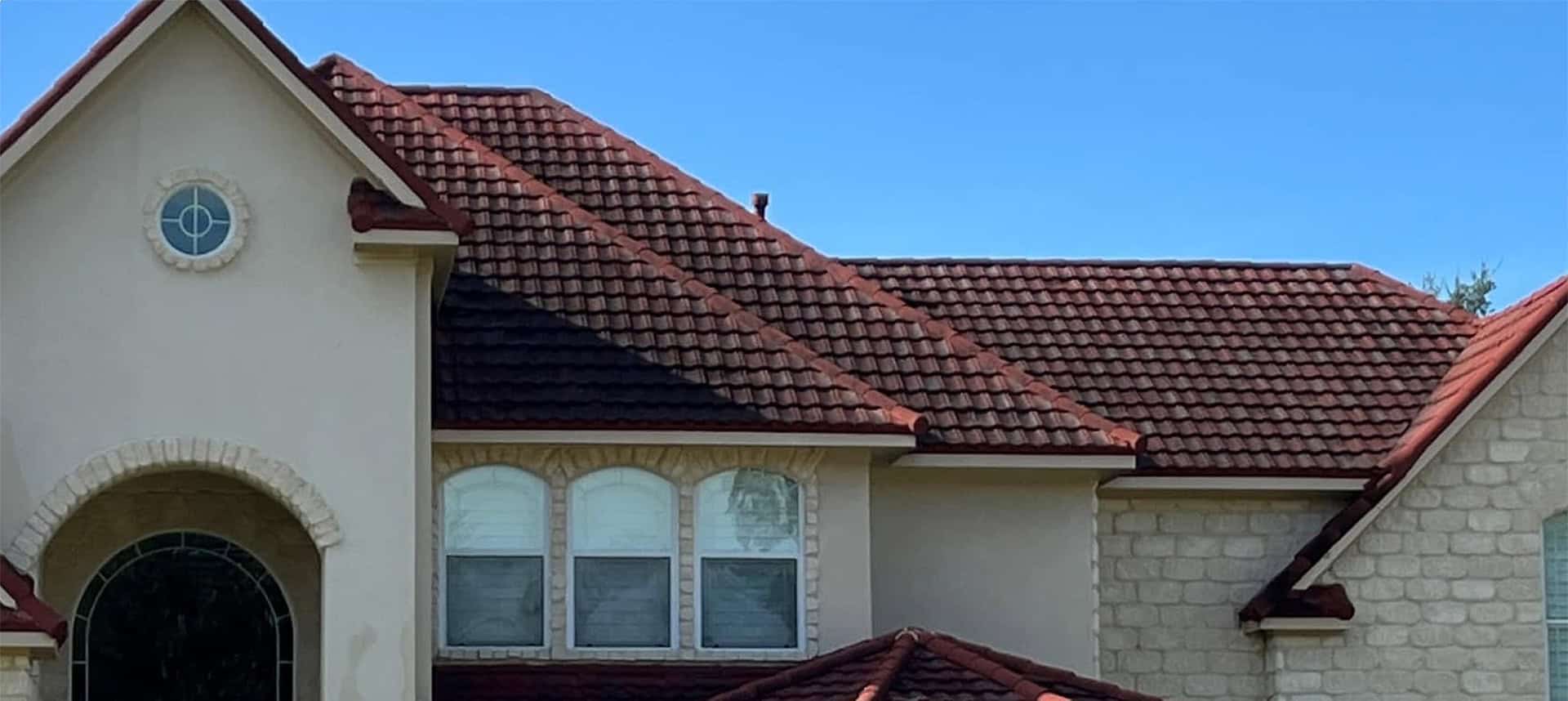
Professional pressure washing companies almost never use straight high-pressure water on siding. For anything other than concrete, brick, and truly hardened surfaces, the correct technique is soft washing: a low-pressure application of a surfactant-based cleaning solution that kills mold, mildew, and algae at the root, then gets rinsed away with a gentle stream. This is the same method used on historic homes downtown where pressure could never be used without risking irreplaceable trim.
Our technicians are trained to read a house the moment we pull up. Vinyl siding on a 1990s Mount Pleasant ranch calls for a very different approach than stucco on a Daniel Island custom build or painted brick in Wagener Terrace. We match chemistry, dwell time, and rinse pressure to each surface so you get a clean that lasts, without the risk of damage.
Why Does Charleston Get So Dirty So Fast?
The Lowcountry throws three unique challenges at exterior surfaces: spartina pollen in spring, sustained 80%+ humidity through the summer, and heavy tree canopy shade on the east side of most homes. That combination is why your north and east-facing walls always darken first. It's also why homes in Kiawah, Seabrook, and along the Isle of Palms need washing more often than an equivalent house in the Upstate. The organic load is simply heavier here.
Most homes in the Charleston area benefit from a thorough house wash once every 12 to 18 months, though shaded lots or homes near tidal creeks often need annual cleaning to stay ahead of the growth. Timing matters too: spring and early fall give the best results, since the detergents work most effectively in moderate temperatures and you avoid the worst of hurricane season downtime.
If your house is starting to look dull, streaked, or darker on one side than the other, we can help. We offer free no-pressure quotes to homeowners across the Greater Charleston area. Just give us a call or drop your address in our quote form and we'll get back to you the same day.
One important note: if your property includes a premium hardwood deck, that surface needs a fundamentally different approach from house washing. We never aim a standard pressure washer at IPE, Cumaru, or other Brazilian hardwoods. Those decks fall under our dedicated IPE deck cleaning service, which uses calibrated low-PSI equipment and oxygenated cleaners specifically formulated for tropical hardwoods.